What Is the MyoSynaptics Technique?
The MyoSynaptics Technique is an integrative clinical system that combines functional neurology, gentle fascial mobilization, joint mechanics, and sensory-based rehabilitation into one cohesive framework.
Rather than chasing symptoms, it addresses how the brain, spinal cord, peripheral nerves, fascia, and joints communicate as one functional network.
The goal is not force.
The goal is precise sensory input.
When the nervous system receives accurate, layered input, it can reorganize output — improving stability, coordination, autonomic regulation, and overall resilience
The Philosophy Behind the Technique
Movement is not created by muscles alone.
It is organized by the nervous system.
Fascia — the body’s connective tissue network — is richly embedded with sensory receptors that continuously inform the brain about:
-
Position
-
Tension
-
Pressure
-
Velocity
-
Joint orientation
If this sensory input becomes distorted — due to injury, stress, inflammation, or chronic overload — the nervous system adapts. Over time, these adaptations can present as:
-
Pain
-
Instability
-
Poor coordination
-
Autonomic imbalance
-
Reduced performance
The MyoSynaptics Technique works by restoring clarity to that input.
How It Works:
The technique uses targeted, layered intervention across three integrated systems:
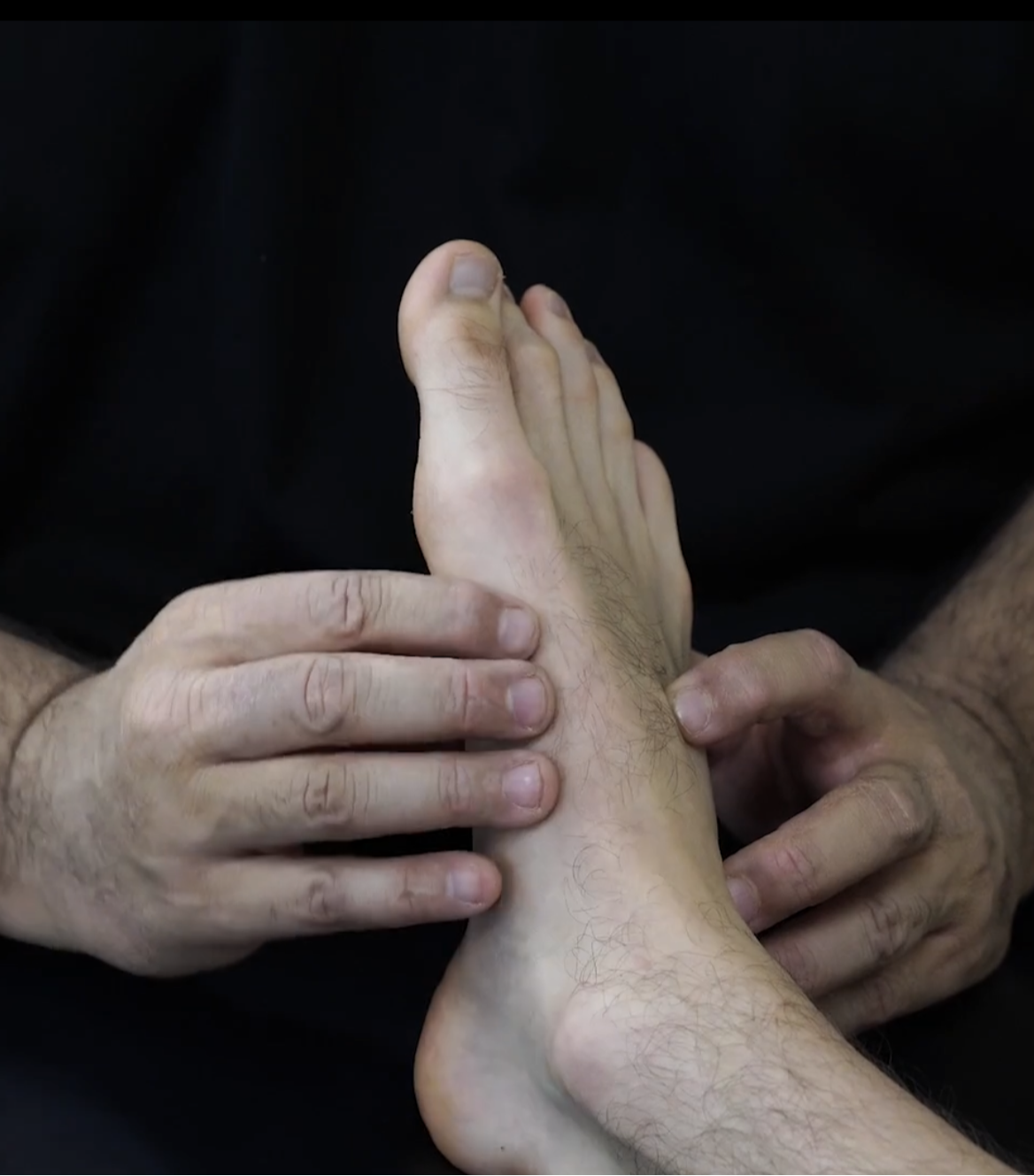
Gentle Fascial & Joint Mobilization
Precise, low-force input is delivered into specific layers of fascia and joint interfaces. This is not aggressive manipulation. It is strategic sensory stimulation designed to:
-
Restore fascial glide
-
Improve mechanoreceptor signaling
-
Normalize joint mechanics
-
Reduce aberrant tension patterns
Each layer of fascia communicates differently with the nervous system. Treatment is delivered intentionally — not broadly.
Functional Neurology Integration
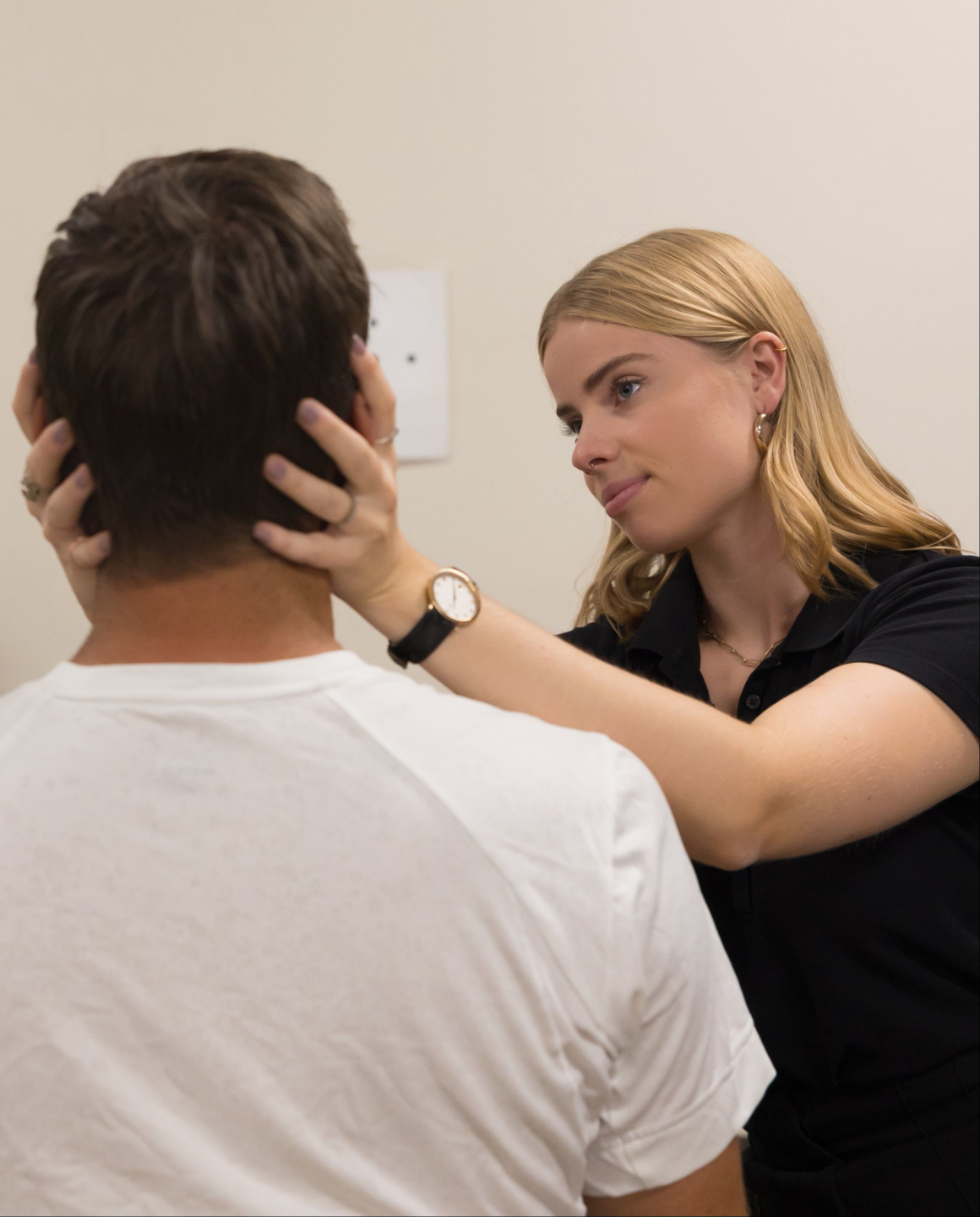
Fascial work is paired with neurological rehabilitation strategies such as:
-
Eye movement training
-
Vestibular integration
-
Proprioceptive re-education
-
Autonomic regulation exercises
These inputs influence cortical, cerebellar, vestibular, and brainstem networks responsible for postural control, coordination, and motor output.
This is not isolated “vision therapy.”
It is neurological performance integration.
Layered Sensory Integration
The nervous system is adaptive — constantly recalibrating based on the quality of sensory information it receives.
When mechanoreceptive input from fascia and joints is paired with precise neurological stimulation, the brain is given clearer data to interpret and organize.
This process helps to:
• Refine body awareness and spatial orientation
• Improve timing and coordination of movement
• Reinforce joint stability through better motor control
• Regulate autonomic responses
• Increase resilience to physical and emotional stress
When sensory input becomes more accurate, the nervous system no longer needs to compensate.
Efficiency improves. Stability increases. Function becomes more organized.
What Makes It Different?
It does not rely on force.
It does not treat the body in isolated parts.
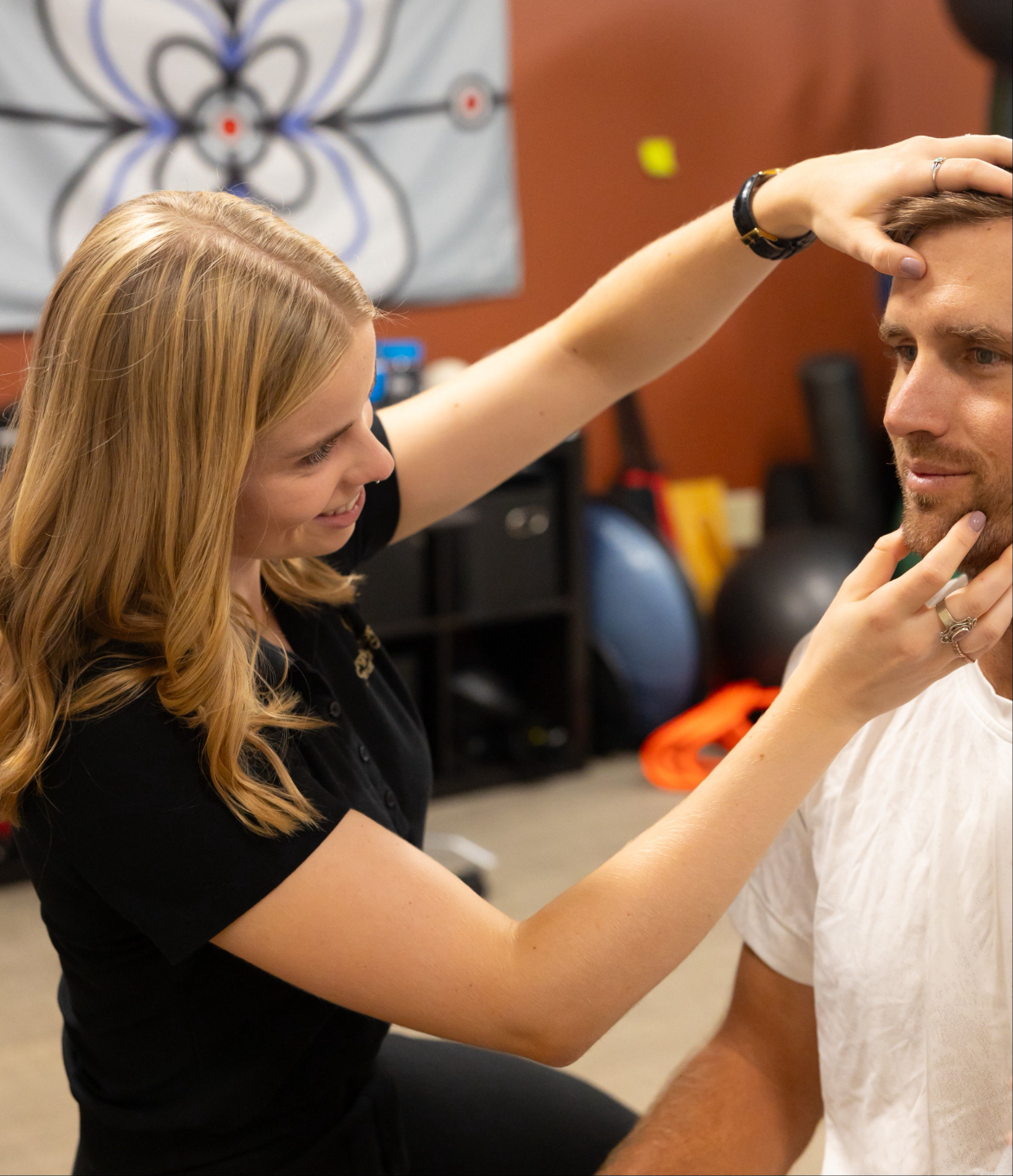
It integrates fascia and neurology in real time.
It is assessment-driven and precision-based.
It is designed for both recovery and performance.
Most clinicians study neurology.
Most clinicians study fascia.
Very few are trained to understand how they continuously influence one another.
The MyoSynaptics Technique was built on the principle that fascial mechanics and neural signaling are inseparable.
The Outcome
When the nervous system receives clear, accurate input:
Movement becomes more coordinated.
Stability improves.
Autonomic tone becomes more regulated.
Pain often decreases.
Performance capacity increases.
The body organizes more efficiently because the brain has better information.